
Locations
Ellesmere Port
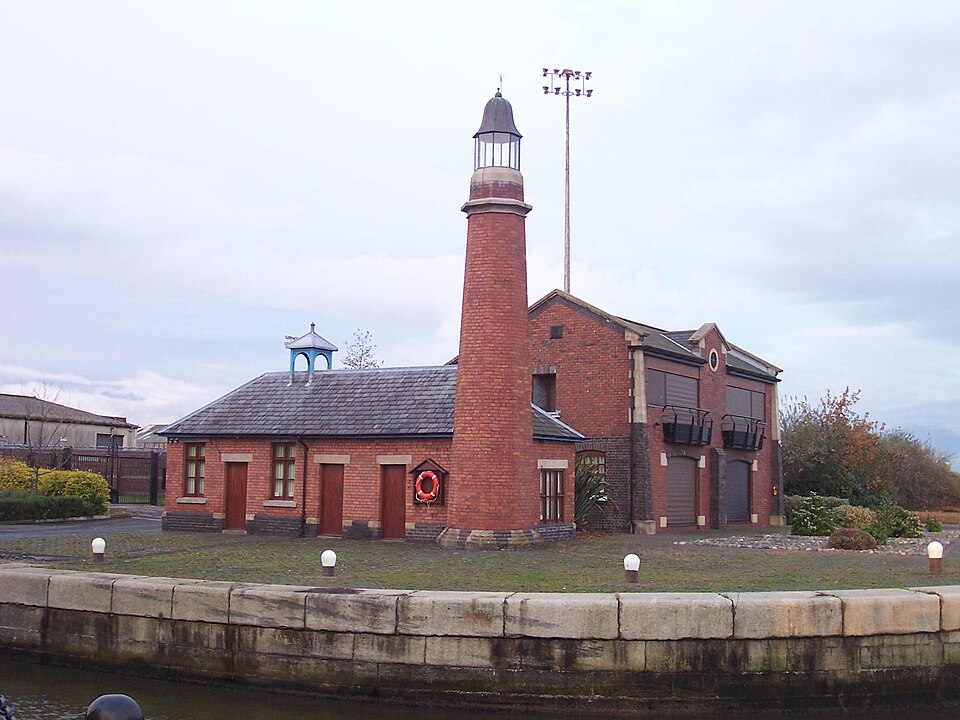
Ellesmere Port, a town located in Cheshire West and Chester, is situated on the southern side of the River Mersey, near the Mersey estuary, where it meets the Manchester Ship Canal. The town's roots as a settlement go back to the canal age. It grew up around the northern end of the Ellesmere Canal, which was completed in the early 19th century and connected the area with the Welsh border. This industrial heritage is one of the town's defining features, and the National Waterways Museum, in a collection of historic dock buildings, stands as a testimony to this legacy.
Ellesmere Port became strongly associated with heavy industry and manufacturing throughout the 20th century. Stanlow Oil Refinery was one of the biggest in the UK and brought jobs to the town. It also shaped its identity for many generations. In 1962, a Vauxhall Motors factory was established, further cementing its reputation as a major industrial centre. Although the workforce has decreased over the years, the factory still operates and plays a significant role in the local economy. Chester, England's oldest city, is within easy driving distance of the town. It also benefits from excellent road and rail links to Liverpool and Manchester. The Coliseum Shopping Park is the centre of retail activity in the area, attracting visitors from all over. Ellesmere Port, like many other post-industrial towns, has experienced economic challenges. However, regeneration efforts have been made to diversify the economy of the town and improve its centre. The waterfront offers real potential for future development.
Widnes
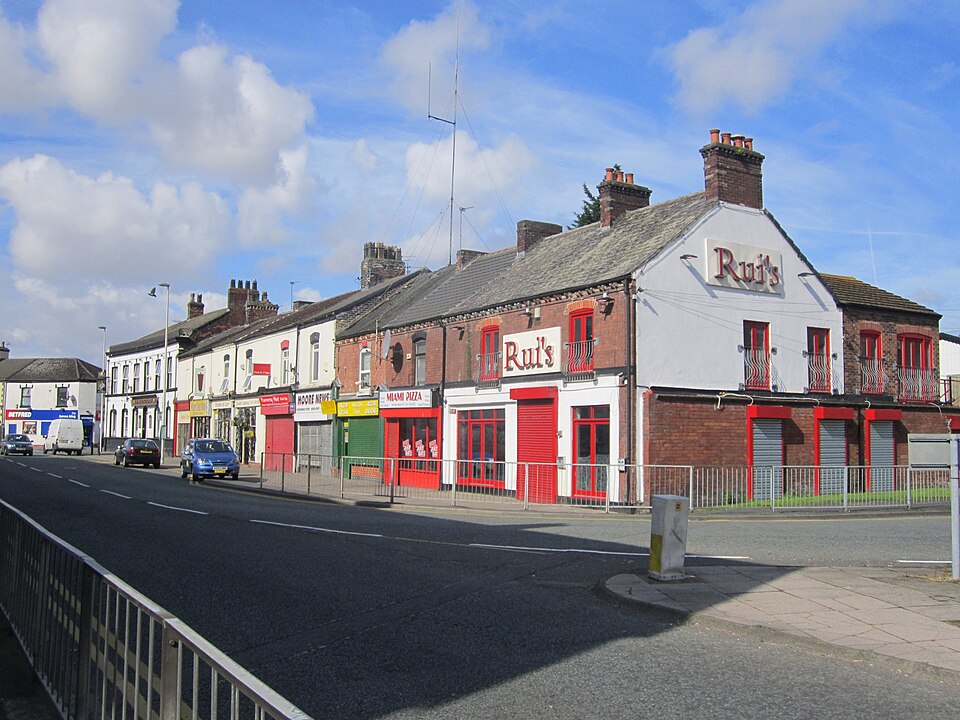
Widnes, a town located in Halton in Cheshire on the northern side of the River Mersey, is the seat of the Halton Borough. Widnes is strategically located in North West England, directly linked to Runcorn via the Silver Jubilee Bridge - a striking arch that has become a local landmark. Widnes is roughly in the middle of Liverpool and Manchester. This gives it a strong commuter appeal and allows for reasonable access to both major employment centers.
Widnes, like many other towns in this area of England, has its roots in heavy industry. In the 19th century, Widnes became one of the leading chemical manufacturing centres in the world. This period saw rapid population growth and severe environmental damage. The chemical industry has left a complex legacy. Over the last few decades, significant efforts have been made to reclaim contaminated land and improve the local environment. Spike Island was once an industrial wasteland. It is now a nature reserve and a public open space. The Stone Roses famously performed there in 1990.
Widnes' rugby league culture is also well-known. Widnes is home to the Widnes Vikes, one of the oldest clubs in rugby league. The game has become a part of the identity and culture of the town. In recent years, the town centre has seen incremental improvements, but it still faces economic pressures like many other settlements. Widnes' waterfront, riverside spaces, and improved connectivity provide a solid foundation for future growth.